EDITOR'S PICK
SKILL-BUILDING FOR THE FUTURE
SNEAK PEEK INTO THE FULL 2025 WINTER EDITION
Sneak Peek into the full 2025 Winter Forum Edition | Skill-building for the future
IN CONVERSATION WITH
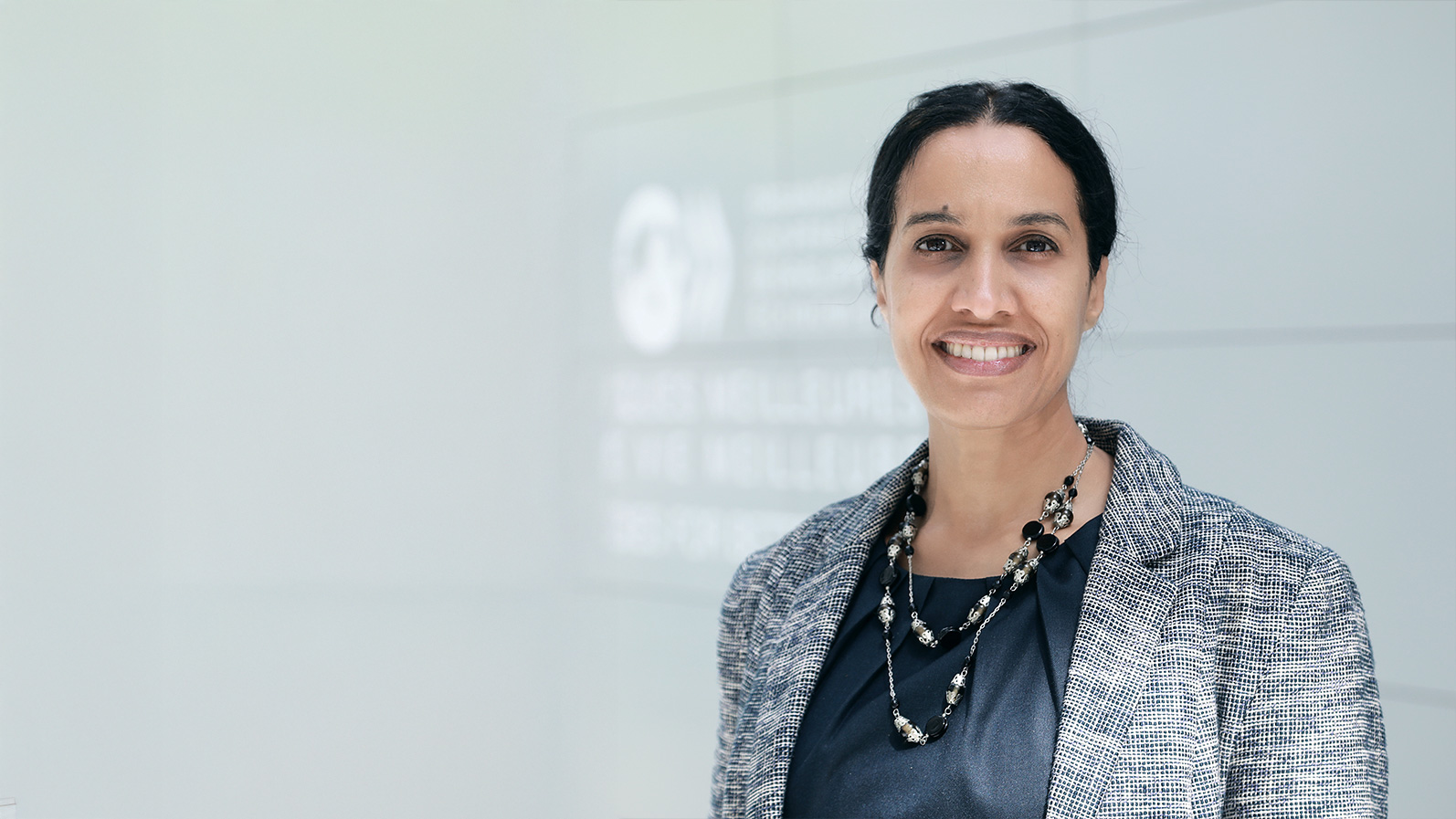
EL IZAMOHAMEDOU
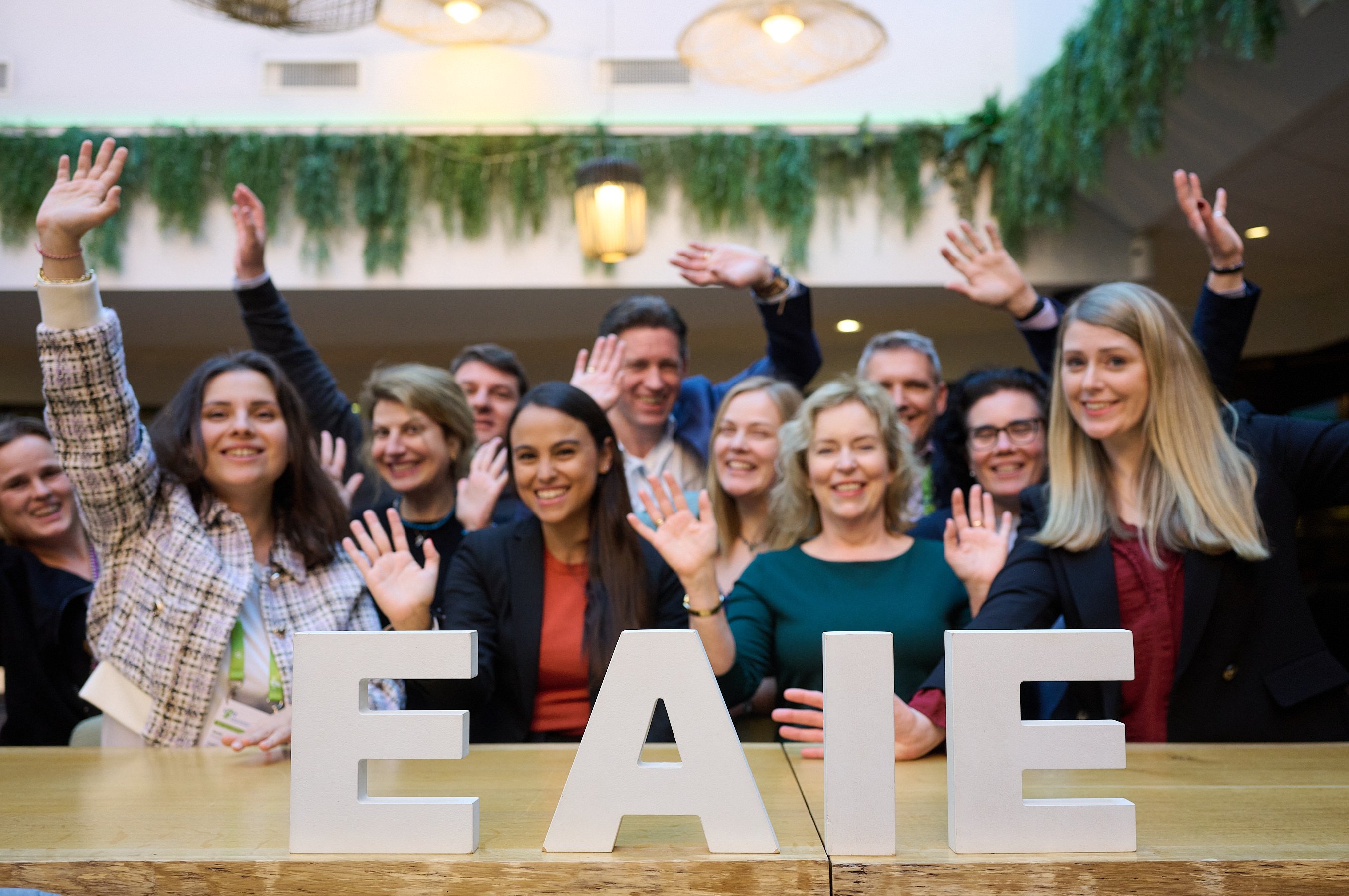
EAIE Volunteer Voices
THE READING ROOM
Enjoy this Editor's Pick?
EAIE members can access all articles in the complete edition of Forum and more!Log in here or become a member to unlock the full version.
ARTICLE
“In a world where artificial intelligence is levelling access to information, the real value of higher education must shift from what students know to what they can do, and ultimately who they are becoming in the process”.
“There has been a growing recognition that students’ competencies beyond the traditional classroom are valuable and should be integrated into their formal education”.
“International exchange and student mobility programmes are a significant way institutions can support students to develop their intercultural competence".
"Higher education must develop stronger partnerships between education providers, industry and workers to navigate the twin digital and green transitions".
This issue brings together a truly global range of perspectives, illustrating that the European Commission’s vision of a “Union of Skills” – aimed at boosting competences and strengthening Europe’s competitiveness – is not a challenge unique to Europe, but one shared across higher education systems worldwide.
The issue opens with a strong voice from students and concludes with valuable insights from policymakers – framing both where we are and where we need to go.
Whenever academia debates what and how to teach, we cannot do so without students at the same table. We must ask them directly: ''What do you need for today’s world, and how can we work together to prepare you for it?''.
In their article, Duarte, Nestola and de Wilde articulate clearly what Generation Z expects: “more than job-ready skills,” emphasising instead human skills – the ability to work across cultures, think systemically, communicate with empathy, manage ambiguity and sustain personal well-being amid uncertainty. For them, human skills are not abstract ideals, yet they often remain marginalised – confined to extracurricular activities rather than embedded in formal curricula. Their critique of higher education institutions: that “institutions still tend to reward individual achievement over collaboration, theoretical expertise over applied insight and rigid disciplinary silos over interdisciplinary” – seems strikingly familiar. Were we not voicing these same concerns twenty or thirty years ago?
Their message is clear: “only when students are involved not just as stakeholders but as partners can institutions become more democratic, relevant and resilient.” Perhaps we no longer have a choice but to take this seriously.
In our call for articles, we asked whether prioritising technical skills risks diverting attention from the “human side” of education. Several contributors affirm that it does – and explore how human skills enable individuals to navigate an increasingly complex, interconnected world.
Pengo and Dermati from the European University Foundation highlight the growing importance of green soft skills – environmental awareness, responsibility and stewardship. Similarly, Mbambu Kabeya, Weyomona Makiese, Biba Kalengo and Mukeba Yakasham describe how international partnerships have inspired engineering education that is both socially conscious and environmentally responsible.
Hsueh’s contribution offers valuable insights for those working with international students, examining how intentional skill-building in Taiwan supports the integration and retention of Southeast Asian students. This approach – linking micro-credentialing with regional industrial strategies – offers lessons for others.
Ghazaryan illustrates how Armenian institutions have transformed its diaspora into a powerful educational resource in the aftermath of conflict, leveraging professionals abroad into co-educators, mentors and guest lecturers, exposing students at home to global standards and practices.
From Colombia, Rincón and Guarín showcase examples of how students, alumni and academics can act as powerful agents of knowledge diplomacy and global cooperation.
In “The Skills that matter most”, Boaretto, Kurppa and Retsch present the Coimbra Group’s work in defining ten core employability skills. These skills guide the design of new curricular and co-curricular programmes and the development of intercultural competencies in students preparing for study abroad. Similarly, van den Berg’s contribution from Chile demonstrates how embedding a model for developing and assessing intercultural competence within COIL projects enables international learning for all students.
Moving from design to implementation, Tripathi and Joshi from India share what happens when an institution deliberately bridges disciplinary silos to define shared graduate attributes – such as civic responsibility – and then operationalises these through concrete pedagogical strategies and assessment tools.
Finally, Mohamedou reminds us that preparing students for an interconnected world is a global challenge that requires efforts to minimise inequalities in access to skill-building opportunities across and within societies.
Together, these contributions reaffirm that skills development in higher education is not only about employability, but about humanity, democracy and our collective capacity to shape a sustainable future.
Eva Janebová, Editor
publications@eaie.org
Head of the Career Service Office, University of Padova
Head of the Career Centre, University of Würzburg
Director of International Relations at Diego Portales University
Assistant Professor, Department of International Business and Foreign Languages, Minghsin University of Science and Technology
Teaching Assistant & Researcher, University of Kinshasa
Work Life Specialist, University of Turku
Junior Policy and Research Officer at the European University Foundation
Policy and Project Officer | UNICA – Network of Universities from the Capitals of Europe
Lead Global Education at Leiden University Medical Center
Associate Director, Office of Global Engagements at Plaksha University
President of the Academy of Sciences and Engineering for Africa Development (ASEAD)
Director, Internationalisation and Development Department, National Polytechnic University of Armenia (NPUA)
Physician, General Reference Hospital Pierre Fokom of Kimbanseke
Associate Professor, Plaksha University
PR and Communications Lead, Keystone Education Group
Policy and Research Officer, European University Foundation
Vice President for International Affairs, Universidad del Rosario
Trainer, Researcher, Author, ALDEAS
Assistant Lecturer, Mechanical Section, Institut Supérieur des Techniques Appliquées (ISTA-Kinshasa)
Log in or become a member to unlock the full Forum version!
I'm already a member
BECOME A MEMBER NOW
Published by European Association for International EducationPO Box 11189, 1001 GD Amsterdam, the NetherlandsE-mail: info@eaie.org, publications@eaie.orgwww.eaie.org
Editor: Eva JanebováPublications Committee: Eva Janebová (Chair), Ragnhild Solvi Berg, Queenie Lam, Arnim Heinemann, Sonja Knutson
Director, Knowledge Development and Research: Laura E. RumbleyHead of Marketing and Communications: Léa BasinKnowledge Development Coordinator: Cecilia AlbèDesigners: Nhu Nguyen, Maeghan Dunn
Copyright © 2025 by the EAIE All rights reserved. Extracts from Forum may be reproduced with permission of the EAIE. Unless stated otherwise, opinions expressed by contributors do not necessarily reflect the position of the EAIE.ISSN 1389-0808